
What Taylor County Property Tax Records Contain
Taylor County tax work crosses two offices. The Assessor keeps the parcel roll, classifications, and assessed value; the Sheriff's Tax Office handles the ticket and collection side. State guidance sets the general West Virginia property-tax calendar. The county offers no online ticket search. Bill questions go straight to the tax office. A value on the roll does not prove the current bill is paid, and a ticket is not a deed.
| Assessment roll | Owner label, parcel details, property class, valuation, and the assessment year |
|---|---|
| Tax ticket | Amount billed, payment status, or delinquency information held by the tax custodian |
| Assessment review | A challenge to the valuation or classification through the annual county process |
| Deed consideration | A recorded transfer declaration, which is not automatically market value or tax due |
Have the tax year and the full parcel identifier ready. With just an address, use the Assessor search first. That search returns the district, map, parcel, and suffix needed for any ticket inquiry. Keep the value question and the payment question separate. That sends each one to the right office.
Look Up a Taylor County Assessment First
Start in the West Virginia assessment portal and select Taylor County. Search by owner name or street. You can also use district, map, parcel, subparcel, property class, tax class, or land use. Four modes give you different angles: Basic, Appraisal-Sales, Advanced, and Prior Ownership. When a result matches, copy the tax year and the parcel key. A street label alone is not a reliable identifier.
This portal answers the assessment half of a property-tax question. It pins down the assessed parcel and its current roll details. A tax-ticket balance or payment status belongs to the Sheriff's Tax Office instead. If a search returns nothing, check the district and parcel formatting first. Then contact the Assessor before assuming a parcel is missing from the records.
Open the West Virginia assessment search. Select Taylor County and review the available property fields.
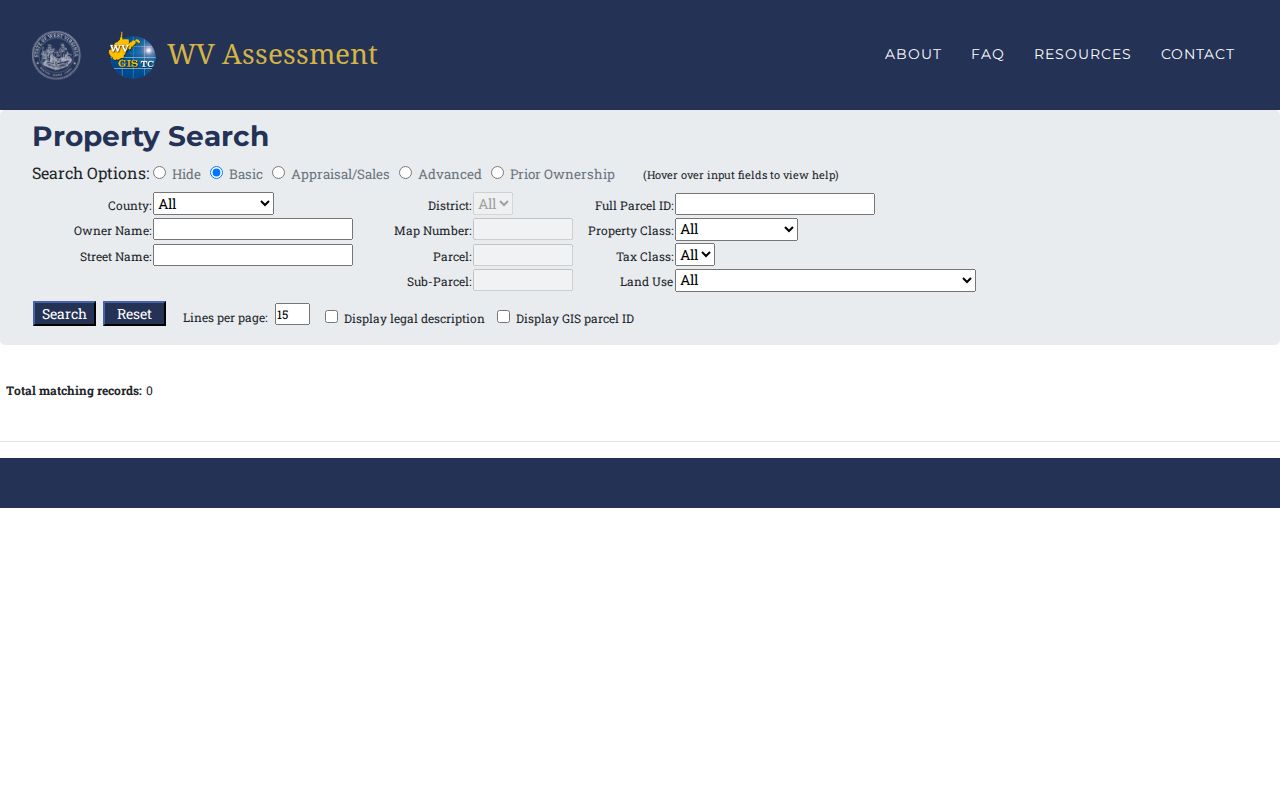
The portal page displays its search modes and field options; the individual property record is where a parcel's annual details must be confirmed.
Taylor County Assessment Review Dates
The Board of Equalization and Review meets each year between February 1 and February 28. That window is short. An owner disputing an assessed value should contact the Assessor early enough to learn the county's process, the information required, and that year's meeting schedule. Taylor County publishes no online appeal form, fee, or appeal portal. Confirm the current procedure directly. Old calendar notes go stale fast. Bring the parcel ID, tax year, assessment notice, and any records that support the question. Say which record needs review. A valuation concern differs from a deed correction, a map boundary change, a classification issue, or payment history. State guidance gives broad timing context only. It is not an individualized decision or a substitute for county instructions. Ask first: is the dispute valuation, classification, or taxability? Some classification and taxability questions may go to the State Tax Commissioner under West Virginia Code § 11-3-24a. Timing rules apply on that route. Confirm the forum with the Assessor. Not every dispute uses the local hearing. Read the West Virginia property-tax calendar guidance for the statewide timing framework.

State guidance illustrates the annual assessment cycle. The Taylor County Assessor can confirm the current Board schedule and filing steps.
The July 1 Taylor County Assessment Snapshot
West Virginia assessments use a July 1 valuation date. The Assessor's stated method assesses property at 60 percent of market value. That ratio explains the gap. A tax record's assessed number can differ sharply from a buyer's estimate or a recent sale price. It does not mean each parcel's market value was measured on July 1. The figure does not predict a sale. Read the assessment year beside the dollar amount. A later sale, improvement, classification change, or correction may show up in a different cycle. For a tax calculation, use the jurisdiction's actual levy and ticket information along with the assessment. Value alone is not the amount due. July 1 belongs to the assessment snapshot. A deed may be recorded on any date. The roll may lag behind a transfer. When comparing a bill or owner field, note the tax year and the recorded-instrument date separately. That habit explains why an assessment printout and a new deed can name different owners. Review the Taylor County Assessor's annual valuation page for the local assessment method and cycle.
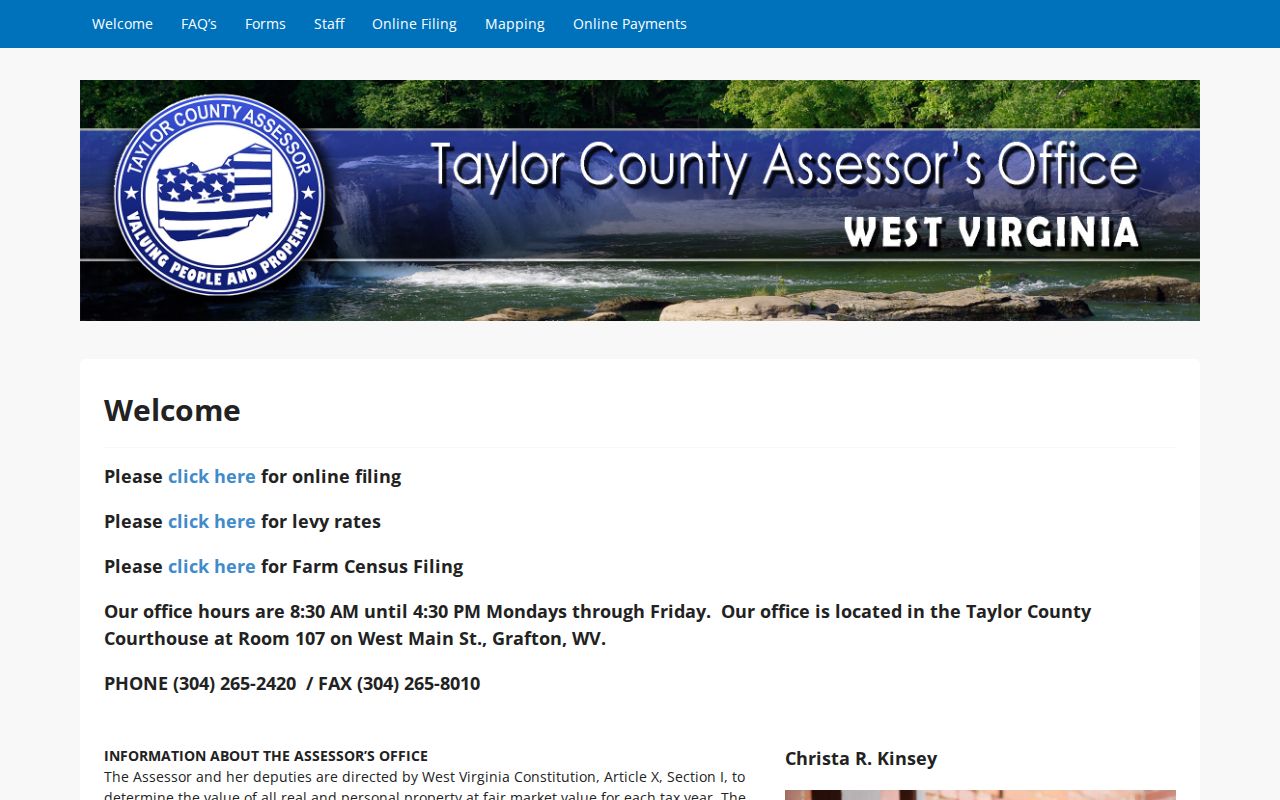
The Assessor's material supplies the stated assessment method for the countywide snapshot; it is not an appraisal of an individual property, so treat it as context only.
Finding a Taylor County Tax Ticket
Taylor County publishes no online Sheriff tax-ticket search with public fields or a results screen. That means a current bill, an outstanding balance, a payment confirmation, or a delinquency question goes through the Sheriff's Tax Office. Have the parcel number and tax year ready when you call. Ask which payment records and receipts the office can provide. Ask whether it needs an owner name or a ticket number instead. One caution applies here. The value page in the Assessment portal is not a live account ledger.
State guidance sets July 15 as the start of the new ticket cycle. That applies to tickets issued on that date or after. Confirm the county's current timing with the local office. Delinquent-tax land sales work differently. Identify which year's record and notice matter. Then follow the route the official custodian lays out. The state material explains the property-tax system in general. It will not show a Taylor parcel's payment status.
Before calling, decide what you are actually checking. An original bill, a receipt, a balance, and a delinquent-land record are different requests. Each may point to a different year or a different office. Keep the full district-map-parcel-suffix handy, along with the name on the assessment roll. Never send payment details to an unofficial search service. If the tax office sends you to another counter or notice, write down the office name. Write down the date too.
Older delinquency questions start with the year. Ask whether the Sheriff's office holds the item. Ask whether an archive volume is the custodian. The archival permanent-record lists help with historical land-sale and deed references. They will not report a present balance. Request a current ticket, a prior sale, and the assessment snapshot separately, and label each one.
Contact the Taylor County Assessor
The Assessor’s office is at 214 W. Main Street, Room 107, Grafton, WV 26354. The listed number is 304-265-2420 and the fax is 304-265-8010; office hours are Monday through Friday, 8:30 a.m. to 4:30 p.m. Contact staff when an address search returns multiple parcels, the assessment year is unclear, or a classification/value entry needs explanation.
Open the West Virginia assessor directory listing for Taylor County to verify the local office contact.
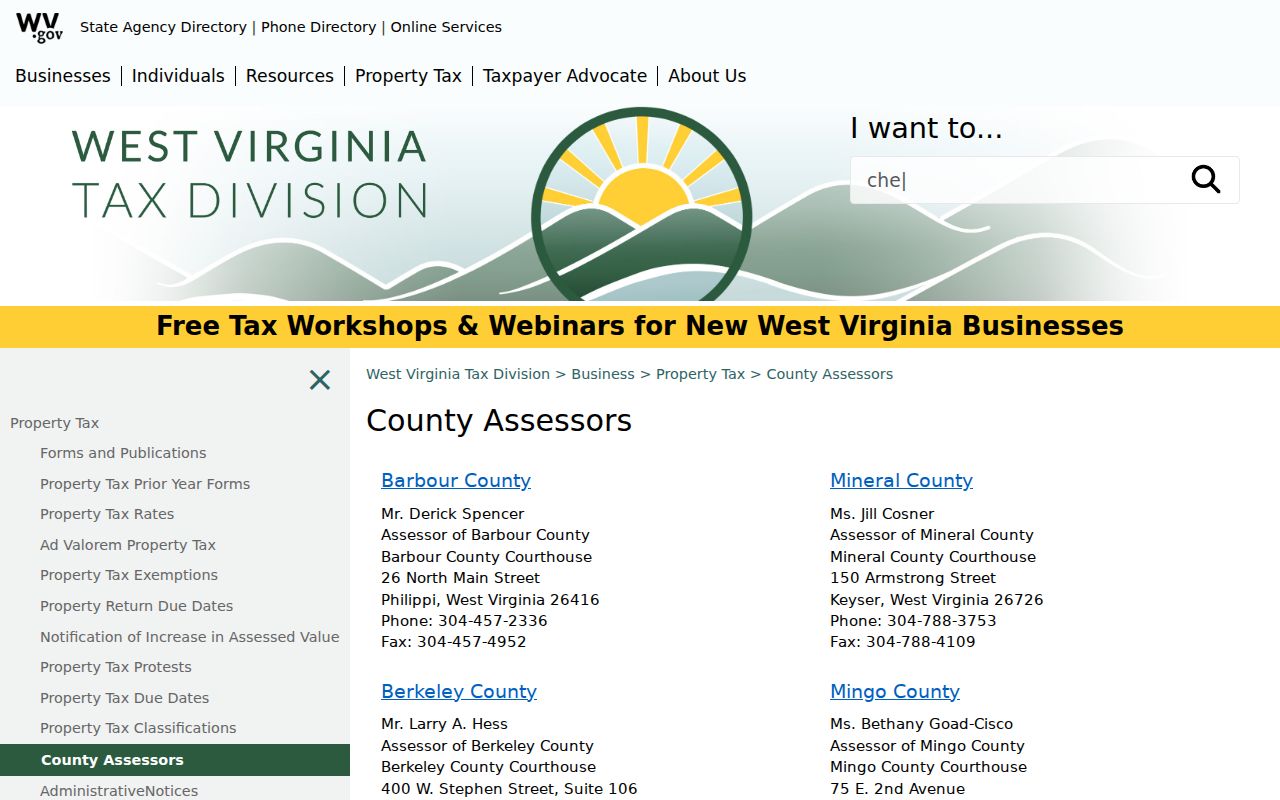
Use that directory route, then ask the Assessor directly about any individual assessment or correction.
Older Taylor County Delinquent Land Records
Historical delinquent-land research in Taylor County starts with the West Virginia Archives finding aid. It lists the county's permanent record volumes and related deed material. These books will not replace a current Sheriff ticket lookup. But they can trace what happened to a piece of land after an older tax process. Note the volume, page, or index reference for anything you find. Then ask the proper public custodian whether a copy or a later instrument exists.
A date span in an archive catalog describes the cataloged holding, not guaranteed online coverage. A deed, a delinquent land record, an assessment, and a payment receipt may live in separate systems. Keep the owner name and parcel description together as you follow each reference. Keep the district and approximate year close too. Open the West Virginia Archives retention guide for Taylor County permanent records.
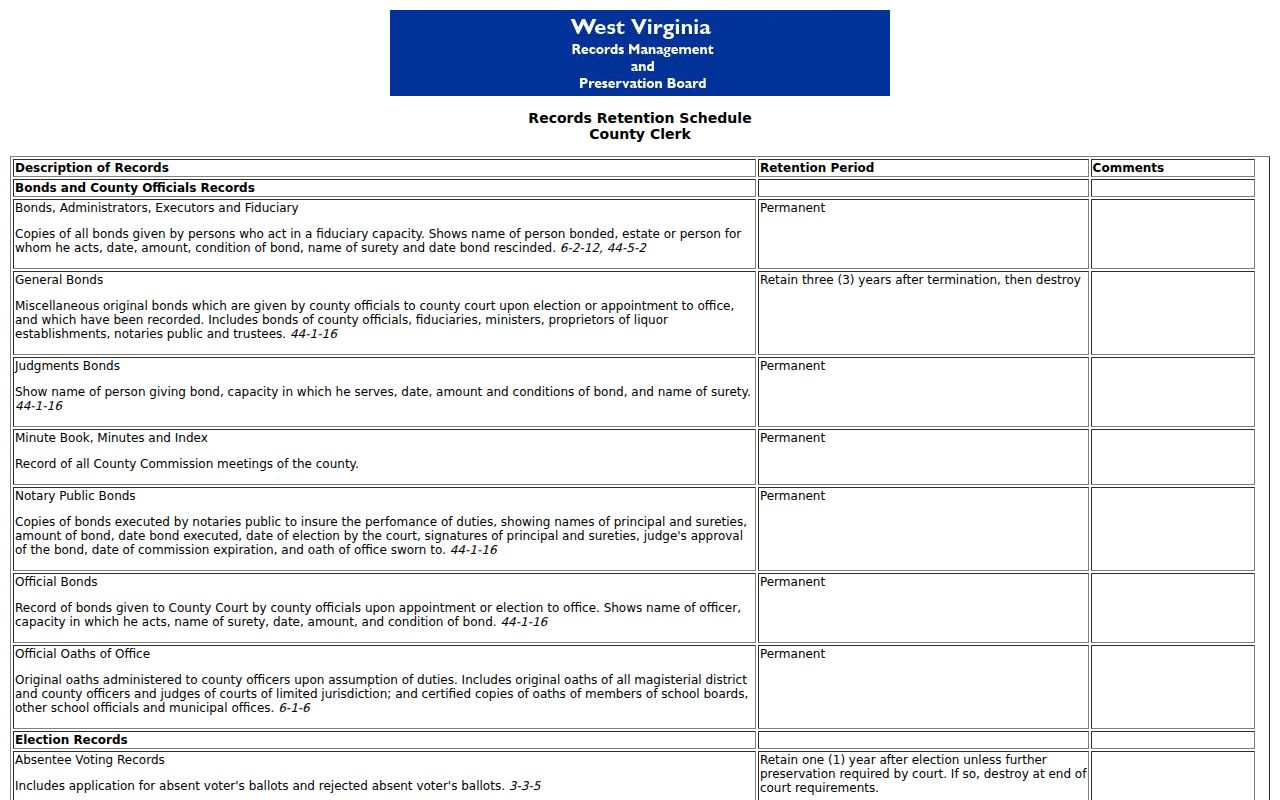
That archive entry is a historical finding aid, not a current tax bill or payment record.
Keep Tax Values, Tickets, and Deeds Separate
A value notice, a tax ticket, and a deed answer three different questions. The Assessor roll shows how a parcel is valued and classified for a given cycle. The Sheriff's Tax Office owns the bill and the collection record. A deed documents a recorded transfer and may carry a consideration declaration. An exemption or a low stated amount does not calculate the current assessment. It does not set the unpaid tax either.
Compare years and parcel IDs whenever one source looks stale. A transfer can post after an assessment snapshot. A mailing address can differ from the physical parcel, too. Request copies from the custodian of the specific record. Asking one office to certify another office's database rarely works.
The Clerk's deed checklist covers certain situations. It applies where a transfer claims an exemption from a consideration declaration. That filing treatment is not a tax-ticket balance and does not set the assessment amount. Treat an exempt or nominal consideration accordingly. Use the legal instrument to understand the parties and the transfer. Use the Assessor roll and the Sheriff ticket for their separate tax questions.
Some tax records never appear on a public search screen. In that case, contact the office responsible and identify the parcel and year. A written West Virginia FOIA request should be reasonably specific. The general statute allows a response within five business days, excluding weekends and holidays. It permits actual reproduction costs, not search or retrieval labor. Taylor County posts no online fee schedule. Ask separately about certified copies or local charges.